1. Find the source
The crew follows the odor, checks vents, attic access and crawl spaces, and opens a small section only when needed.
Loveland, OH · Hamilton County
A bad smell keeps getting stronger in Loveland and flies are gathering near a vent. Call (877) 812-4220 at any hour to get dead animal removal, fluid cleanup and odor removal.
If anyone is in danger, call 911 first. For a suicide crisis, call or text 988.
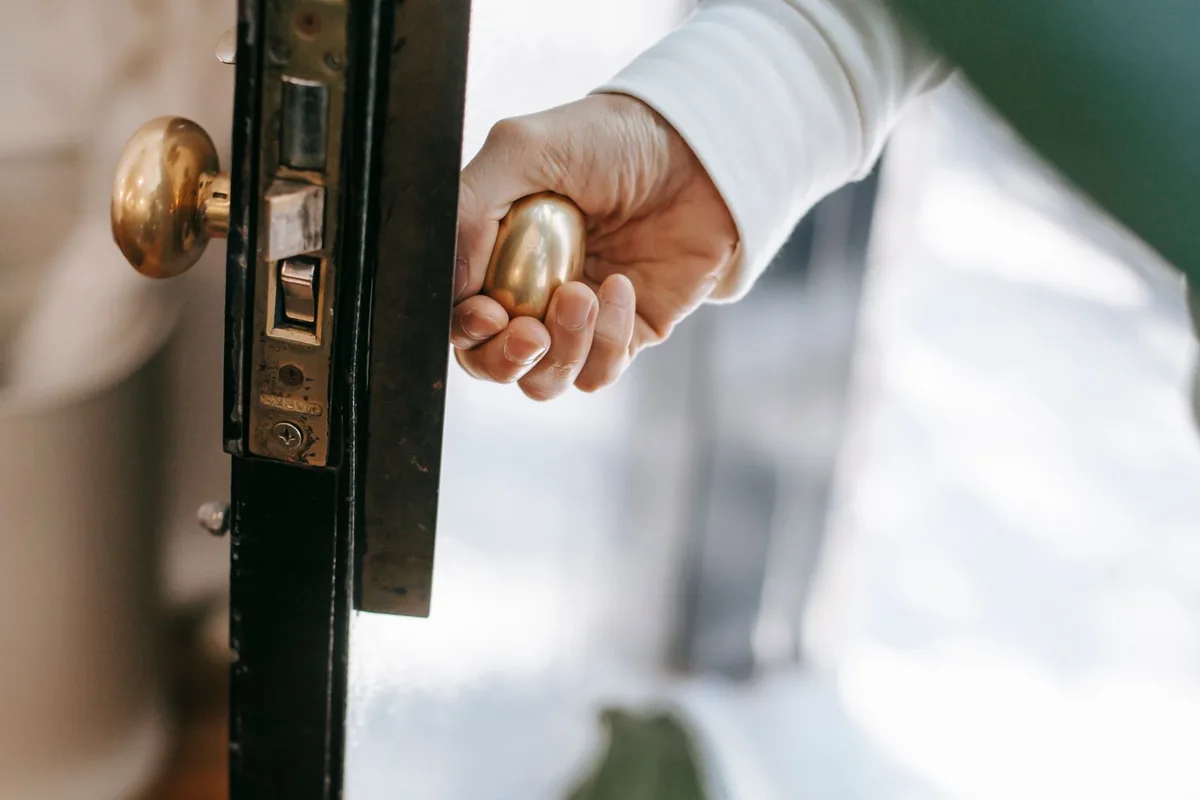
Dead animal cleanup goes beyond pickup. As an animal decomposes, fluids soak into insulation, drywall, carpet and wood, so the job includes removing and replacing those materials and sanitizing what remains.
When an animal dies in a wall, attic or vent in Loveland, call Loveland Biohazard Cleanup Help and get a crew that tracks the smell to its source. You get the carcass removed, the area disinfected and the odor treated, anywhere in Hamilton County.
Only about 41% of homes in Loveland were built before 1980, but newer homes still have attics, vents and wall voids that animals can reach. Vacant and seasonal properties in Hamilton County can hold a dead animal for a long time. Cleanup includes removal, soaked material tear-out and odor treatment.
What dead animal removal & cleanup covers:
The crew follows the odor, checks vents, attic access and crawl spaces, and opens a small section only when needed.
Barriers keep odor and dust from spreading while technicians suit up and open access to the space.
Wood, concrete and drywall are washed and disinfected, and heavily stained porous materials are replaced.
Remaining surfaces are disinfected, the air is treated, and the owner is walked through what was done.
Expect dead animal removal & cleanup in Loveland, OH to cost roughly $150 to $250, with the final price set after an on-site assessment.
The size of the animal matters. Small rodents are simpler to handle, while larger animals can leave far more fluid and require more labor.
| Type of job | Typical range |
|---|---|
| Dead animal removal | $150 - $250 |
| Dead animal removal | $150 - $250 |
Estimates only, not a quote. Sources: Bob Vila, HomeAdvisor. Price drivers include where the animal is, whether walls must be opened, size of the animal, odor and cleanup afterward. Call (877) 812-4220 to talk through the job.
The smell comes from the carcass and any fluids, so the animal has to be found and removed. Air fresheners only cover it. After removal, the area is cleaned and treated, which usually clears the smell.
Do not touch it bare-handed. Wear heavy gloves, place it in a heavy bag, seal it and dispose of it according to local rules. Wash your hands well afterward. If it is large or you are unsure, call for help.
Hard surfaces, wood framing and items in sealed containers can usually be cleaned and kept. Insulation, carpet, padding and drywall that soaked up fluids are generally removed. The crew sorts items with you before anything is thrown out.
As an animal decomposes, bacteria break down tissue and release gases with a strong, sickly-sweet smell. In an enclosed wall or attic, that odor has nowhere to go and spreads through the house. Removing the source is the only real fix.
Sometimes. A small animal in plain sight can be bagged with gloves and a heavy bag, sealed and disposed of properly. Hidden, large or long-dead animals are a different job, because fluids soak into materials and germs can spread.
It depends on the lease and local law. Tenants should tell the landlord or property manager right away. A landlord, an attorney or a tenant rights group can say who is responsible.
Do not tear open walls. A cleanup team can find the source safely.
Call (877) 812-4220